
Dental Implants in Brooklyn, NY: A Patient-Friendly Guide
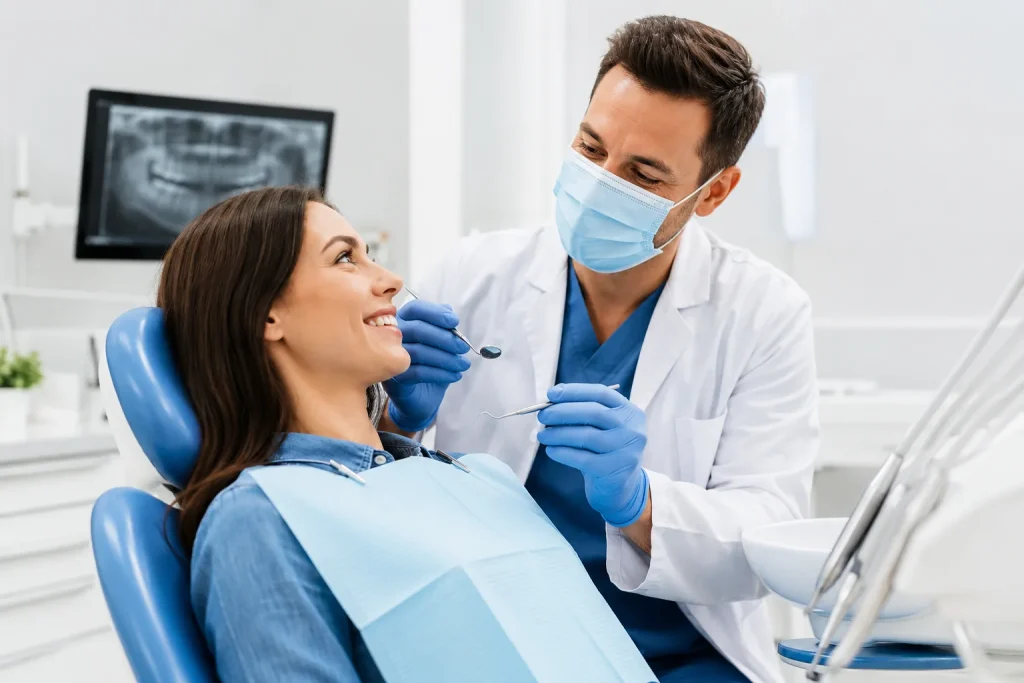
A missing tooth can affect much more than the appearance of a smile. It may make favorite foods harder to enjoy, change the way a person speaks, or leave neighboring teeth without their usual support. For many adults exploring dental implants in Brooklyn, NY, the goal is simple: find a stable, natural-looking way to replace missing teeth.
Dental implants can replace one tooth, several teeth, or support a larger restoration. However, implant treatment is not exactly the same for every patient. Bone health, gum health, medical history, the number of missing teeth, and personal goals all influence the recommended plan.
This guide explains the basics in everyday language, including how implants work, what treatment may involve, and how to care for an implant over time.
This article provides general education and is not a diagnosis or personalized treatment recommendation. A dentist or qualified implant clinician must examine the mouth and review the patient’s health history to determine whether implants are appropriate.
What Is a Dental Implant?
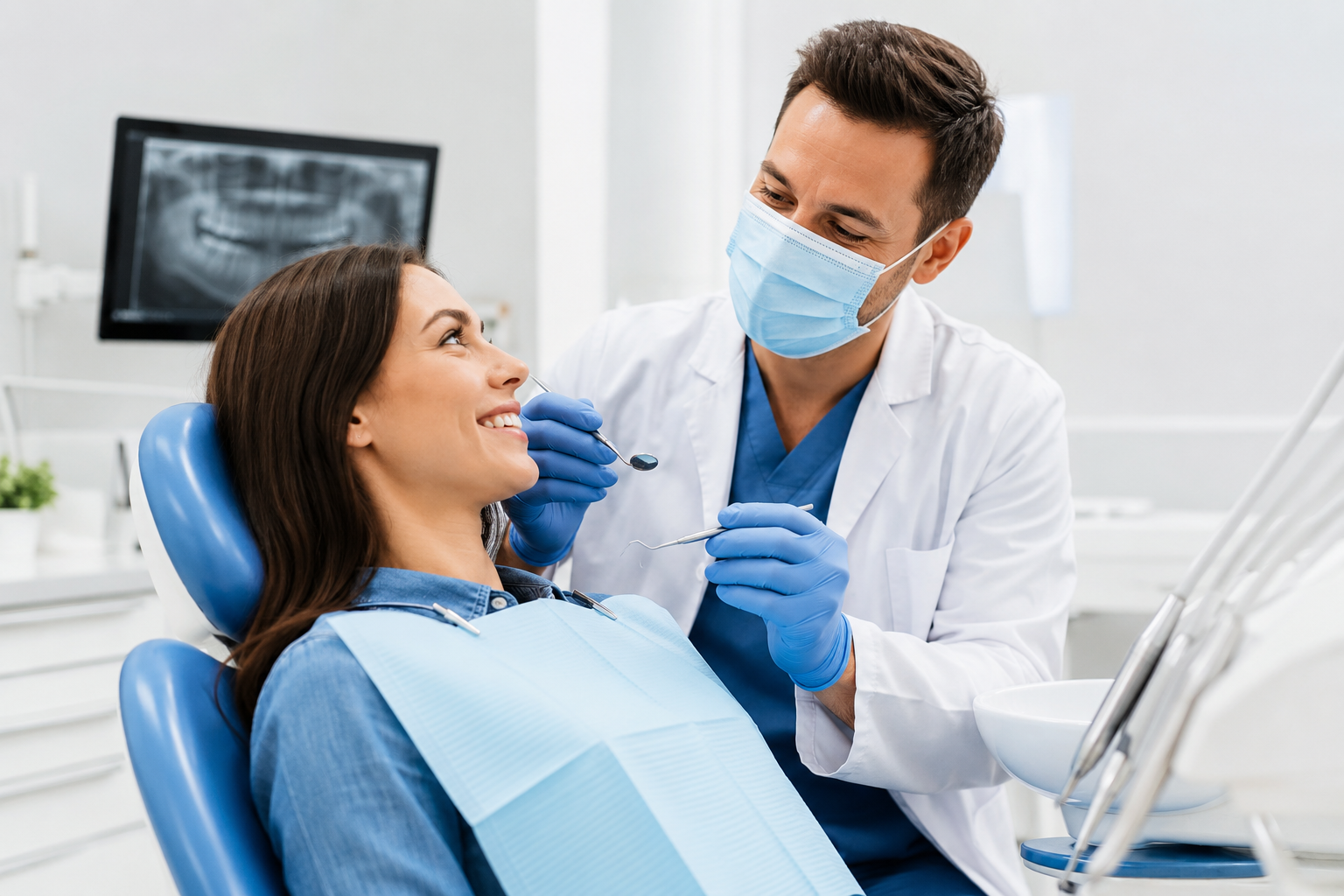
A dental implant is a small post placed in the jawbone where a tooth root used to be. Most implant restorations have three main parts:
- The implant: The post that sits in the jawbone.
- The abutment: A connector attached to the implant.
- The restoration: The visible replacement tooth, bridge, or denture supported by the implant.
After placement, the surrounding bone must heal around the implant in a process known as osseointegration. This biological connection helps the implant support a restoration during everyday biting and chewing. Bone healing can be influenced by local and overall health factors, so careful planning and follow-up are essential. Research reviews have examined how conditions such as diabetes and osteoporosis may affect bone regeneration and implant integration, while also noting that outcomes depend on individual circumstances and disease control.
Unlike a removable appliance, an implant-supported tooth stays in place during daily activities. Unlike a traditional tooth-supported bridge, a single implant generally does not rely on neighboring teeth as anchors. The right option still depends on the condition of the entire mouth, not just the open space.
Why Patients Consider Dental Implants
Patients may ask about implants after losing a tooth to decay, gum disease, injury, fracture, or an unsuccessful dental treatment. Others have worn a bridge or removable denture for years and want to learn whether an implant-supported alternative is possible.
Depending on the treatment plan, potential benefits may include:
- A replacement tooth designed to blend with the surrounding smile
- Stable support for biting and chewing
- No need to remove a single implant crown for routine cleaning
- Support for a bridge when several adjacent teeth are missing
- Improved stability for certain full-arch or denture restorations
- Stimulation of the jawbone in the area where the implant is placed
These benefits are possibilities rather than guarantees. Implant restorations can develop biological or mechanical complications, and they still require daily care and professional maintenance.
Who May Be a Candidate for Implant Treatment?
Many adults with missing teeth can be evaluated for implants, but age alone does not determine candidacy. Dentists pay closer attention to jawbone support, gum health, oral hygiene, medical conditions, medications, tobacco use, and the patient’s ability to complete follow-up care.
Healthy gums and a clean oral environment
Active gum inflammation or untreated dental disease may need attention before implant placement. This reduces avoidable risks and creates a healthier environment for healing.
Adequate bone support
The jaw must have enough bone in the correct location to support the planned implant. If bone volume is limited, the dentist may discuss grafting or another treatment design. A graft is not automatically required for every patient.
Medical conditions that are appropriately managed
A complete health history matters because healing is affected by more than the mouth. For example, research suggests that diabetes and some metabolic or skeletal conditions can influence bone healing around implants. That does not necessarily rule out treatment, but it may change planning, risk assessment, and monitoring. Evidence concerning healing in medically compromised conditions is discussed in reviews on bone healing around implants and osseointegration in metabolic syndrome and type 2 diabetes.
Patients should tell the dental team about diagnoses, medications, supplements, allergies, tobacco or nicotine use, and previous surgeries. No medication should be stopped or changed without guidance from the prescribing clinician.
What Happens During the Dental Implant Process?
Implant treatment is usually completed in stages. The exact sequence changes according to the number and location of missing teeth, bone anatomy, the type of restoration, and how healing progresses.
1. Consultation and planning
The first visit generally includes a conversation about concerns and goals, an examination, and appropriate dental imaging. The clinician evaluates the teeth, gums, bite, available space, and jawbone. Patients should also receive an explanation of alternatives, expected fees, possible risks, and the responsibilities involved in long-term care.
2. Preparatory care, if needed
Some patients need treatment before implant placement. That may include managing gum disease, removing a tooth that cannot be restored, treating decay, or building bone in an area with insufficient support. Other patients can proceed without these additional steps.
3. Implant placement
During placement, the area is numbed and the implant is positioned in the planned part of the jaw. Advanced Dental Care in Brooklyn offers computer-guided dental implant planning and placement. Digital guidance can help a dental team plan an implant’s position in relation to the available bone and the intended restoration. Whether guided placement is suitable depends on the individual case.
4. Healing and osseointegration
Several different phases are often grouped together under the word “recovery,” but they are not the same:
- Early symptom recovery refers to the period when initial tenderness, swelling, or sensitivity settles after a procedure.
- Soft-tissue healing involves the gum tissue closing and maturing around the treated area.
- Osseointegration is the longer biological process in which bone heals around the implant.
- Full treatment completion occurs only after the clinician confirms that the implant is ready and the final restoration has been fitted.
These phases do not finish at the same time. Healing varies, so a dentist should provide a case-specific schedule rather than a one-size-fits-all promise.
5. Placement of the final restoration
Once the implant is considered ready, the abutment and custom restoration can be placed. The dentist checks appearance, fit, bite, and access for cleaning. Minor adjustments may be needed as the patient becomes accustomed to the new tooth.
Comfort, Recovery, and Possible Risks
Patient comfort begins with clear communication. Before treatment, patients can ask how the area will be numbed, what sensations are normal afterward, and whom to contact with concerns. Anyone who feels anxious about dental care should mention it during the consultation so the team can discuss appropriate comfort options.
After a procedure, the patient should follow the clinician’s instructions regarding food, cleaning, activity, and prescribed or recommended medication. Mild short-term discomfort can occur, but symptoms that are severe, worsening, or unexpected deserve prompt professional attention.
As with other dental procedures, implants have possible risks. These may include infection, delayed healing, damage to nearby structures, lack of integration, gum recession, bite-related problems, or complications involving the implant or restoration. Inflammation around an implant can also damage supporting tissues and bone. A scientific review identifies peri-implant inflammation and excessive mechanical stress among factors that can compromise implant stability and longevity.
Patients should contact a dentist promptly if they notice increasing swelling, persistent bleeding, drainage, fever, a loose implant or restoration, worsening pain, or a change in the way the teeth meet. Urgent or emergency symptoms require immediate medical or dental attention.
How to Care for Dental Implants
Implants cannot develop cavities, but the gums and bone around them can still become inflamed or infected. Natural teeth elsewhere in the mouth also remain vulnerable to decay and gum disease.
Long-term care commonly includes:
- Brushing thoroughly with a soft-bristled toothbrush
- Cleaning around and between the implant restoration as directed
- Using floss, interdental brushes, or other tools recommended for the restoration
- Attending professional cleanings and implant examinations
- Avoiding tobacco and nicotine products
- Seeking care if the restoration feels loose or the bite changes
- Using a protective appliance if a dentist recommends one for clenching or grinding
The best cleaning method can differ for a single crown, an implant bridge, and a full-arch restoration. Patients should ask for a demonstration rather than assuming that their previous routine is enough.
Understanding Dental Implant Costs in Brooklyn
There is no single fee that applies to every implant case. An estimate may depend on the examination and imaging required, the number of implants, the type of final restoration, preparatory procedures, materials, laboratory work, and follow-up care.
When comparing estimates, patients should ask what is included. A quoted price may refer only to the implant post, while another may include the abutment and crown. Useful questions include:
- Does the estimate include imaging and treatment planning?
- Are the implant, abutment, and final restoration listed separately?
- Could grafting or tooth removal be needed?
- How are temporary teeth handled during treatment?
- What follow-up visits are included?
- Will the office help review insurance benefits or financing options?
Dental insurance coverage varies by plan. A written treatment plan can make it easier to understand expected costs and compare alternatives fairly.
Frequently Asked Questions About Dental Implants
Do dental implants look like natural teeth?
The visible restoration is designed to coordinate with nearby teeth in shape, size, and color. The final appearance depends on the location, available space, gum contours, materials, and the patient’s individual anatomy.
Is dental implant treatment painful?
The area is typically numbed for implant placement. Some soreness or swelling may occur afterward, but experiences vary. The treating clinician should explain comfort options and provide personalized aftercare instructions.
Can an implant be placed immediately after a tooth is removed?
Immediate placement may be considered in selected situations, but it is not suitable for everyone. Infection, bone anatomy, gum condition, and the need for stability all affect the decision.
How long does the entire process take?
The total schedule depends on healing, preparatory care, implant stability, and the type of restoration. Early symptom improvement, gum healing, osseointegration, and delivery of the final tooth are separate milestones. A clinician can provide a more useful estimate after an examination and imaging.
Can someone with diabetes receive dental implants?
Some people with diabetes may be candidates, but disease control and individual healing risks require careful evaluation. The dental clinician may coordinate with the patient’s medical provider when appropriate.
How long do dental implants last?
No clinician can promise a specific lifespan. Longevity depends on gum and bone health, home care, professional maintenance, bite forces, tobacco exposure, medical factors, and the condition of the restoration. Components may need maintenance, repair, or replacement over time.
Take the Next Step With a Brooklyn Dental Team
Dental implants can be a valuable option for replacing missing teeth, but the best plan begins with a careful evaluation and an honest discussion of benefits, alternatives, costs, and risks.
Patients considering dental implants in Brooklyn, NY can contact Advanced Dental Care at 142 Joralemon Street, Suite 6E, Brooklyn, NY 11201. The team can answer questions, evaluate the mouth, and explain whether implant treatment or another tooth-replacement option may fit the patient’s needs. A consultation is an opportunity to gather information—there is no need to make a decision before feeling comfortable with the plan.